

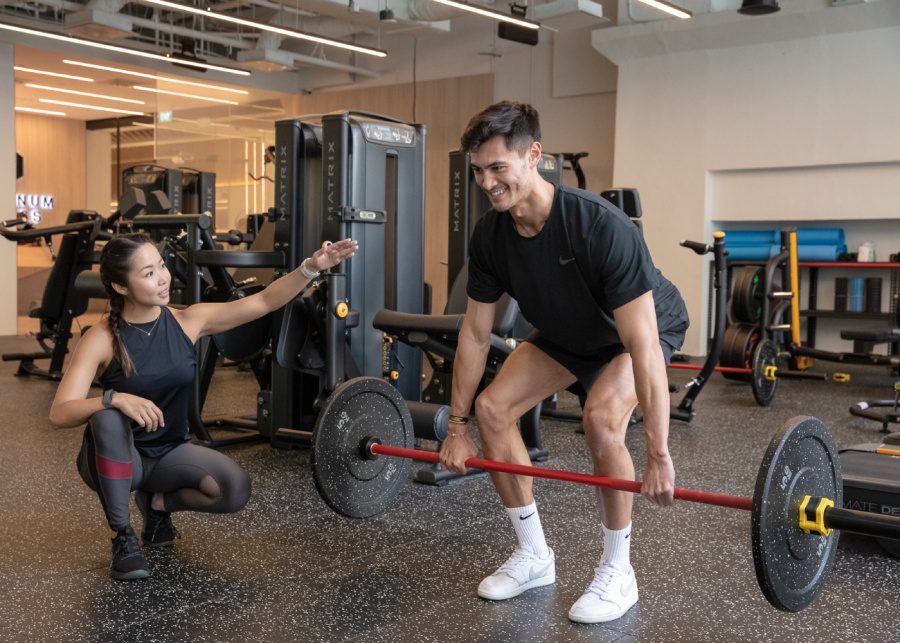
The relationship between physical fitness and professional performance is no longer a peripheral concern for Singapore’s corporate sector. Over the past several years, a shift has been underway in how companies structure their employee benefits packages, and gym membership subsidies and corporate wellness contracts have moved from optional perks to strategic retention tools. For HR directors and business leaders in Singapore, understanding why this shift is happening and what it means for workforce management is increasingly important.
The connection between gym singapore access and employee retention is not intuitive at first glance, but the evidence behind it is accumulating rapidly, and the companies acting on it earliest are gaining measurable competitive advantages in talent markets.
The Productivity and Performance Link
The foundational argument for corporate gym contracts rests on a robust body of research connecting regular physical exercise to measurable improvements in cognitive performance, emotional regulation, and sustained concentration. For knowledge workers, whose productivity is determined primarily by the quality of their thinking rather than physical output, these cognitive benefits translate directly into commercial value.
Regular aerobic exercise has been shown to increase hippocampal volume, improve working memory, enhance executive function, and accelerate learning. Employees who exercise consistently make better decisions, manage stress more effectively, and demonstrate higher levels of sustained attention during cognitively demanding work.
For Singapore companies operating in competitive, high-cognitive-demand industries including finance, technology, legal services, and consulting, these benefits are not abstract. They show up in client output quality, problem-solving speed, and the creative capacity that drives business innovation.
Absenteeism Reduction as a Measurable ROI Driver
One of the most compelling arguments for corporate gym contracts from a pure financial perspective is their impact on absenteeism. Physically active employees take fewer sick days, recover from illness more quickly, and demonstrate significantly lower rates of chronic disease development over time.
In Singapore’s high-cost employment market, absenteeism carries a particularly heavy financial burden. The direct cost of a sick day includes salary continuation, lost output, and project disruption. The indirect costs, including the knock-on effects on team timelines and client deliverables, often exceed the direct costs. Corporate gym contracts that meaningfully increase employee physical activity rates produce measurable reductions in these costs at a fraction of the expense.
Why Gym Membership Subsidies Work Better Than In-House Facilities
Some Singapore companies have invested in building on-site gym facilities within their offices. While this approach has merit, it comes with significant limitations that corporate gym contracts with established fitness facilities do not.
Equipment Scope and Professional Programming
An in-house corporate gym, constrained by office space and capex budgets, cannot match the equipment depth, class variety, and professional coaching access of a full-service gym in Singapore. Employees who are serious about their fitness and who have experienced premium gym environments are unlikely to find an in-house facility adequate for their training needs, which reduces uptake and diminishes the wellness investment’s intended impact.
A corporate contract with a premium Singapore gym gives employees access to professional-grade facilities, certified coaching staff, diverse group fitness programming, and recovery infrastructure that an in-house facility fundamentally cannot replicate.
Flexibility and Location Access
Multi-site gym contracts in Singapore allow employees to train near their office, near their home, or at different locations depending on their schedule. This flexibility dramatically increases actual utilisation rates compared to single-location in-house facilities, which employees can only access during office hours and from a single location.
The Retention Mechanism: Benefits as Identity Signals
The more subtle retention effect of corporate gym contracts operates through a mechanism that HR researchers describe as benefit identity signalling. The benefits a company offers communicate something about what kind of employer they are and what kind of employee they want to attract and retain.
Companies that invest in premium gym access for their employees are signalling that they value physical health, that they understand the connection between wellbeing and performance, and that they are willing to invest materially in their team’s long-term health. These signals attract and retain employees who share these values, creating a positive selection effect where the workforce becomes progressively more health-conscious, performance-oriented, and aligned with the company’s investment philosophy.
The Social Cohesion Effect
Corporate gym contracts create an unexpected secondary benefit when multiple employees from the same company train at the same facility. Shared gym membership generates informal social connection, creates shared experiences outside the office context, and builds the kind of interpersonal trust that improves workplace collaboration and communication.
Team members who have sweated through the same group fitness class together have a social bond that purely office-based interaction rarely produces, and this informal cohesion pays dividends in cross-functional collaboration and mutual support during high-pressure work periods.
Structuring an Effective Corporate Gym Contract in Singapore
For HR teams approaching corporate gym contracts for the first time, several structural considerations determine whether the investment produces genuine returns.
Key elements to address include:
- Subsidy level: whether the company covers the full membership cost or co-contributes with the employee
- Access tier: whether all employees receive the same membership tier or whether tiered options are offered based on role or seniority
- Utilisation tracking: whether access data is shared with the employer to measure actual uptake
- Programme access: whether corporate members receive full access to group classes, personal training subsidies, and recovery facilities
- Multi-location access: whether the contract covers a single gym or provides network access across multiple locations
True Fitness Singapore works with corporate clients to structure wellness contracts that deliver genuine value for both the employer and the employee, providing the facility quality and programme depth that makes corporate gym benefits a meaningful retention tool rather than a nominal perk. True Fitness Singapore offers flexible corporate membership structures designed for Singapore’s dynamic business environment.
The Competitive Talent Market Context
Singapore’s talent market for senior professionals in finance, technology, and professional services is exceptionally competitive. Employees at these levels evaluate total compensation packages with sophistication, and the quality of non-monetary benefits has become a meaningful factor in offer acceptance and retention decisions.
For companies competing for talent in these segments, premium gym membership as a benefit carries a perceived value that exceeds its actual cost, because the benchmark for comparison in the candidate’s mind is a premium gym membership they would otherwise pay for themselves.
FAQs
How do companies measure the ROI of corporate gym membership programmes? Primary metrics include absenteeism rates before and after implementation, employee net promoter scores for benefits packages, health insurance claim frequency changes, and utilisation rates tracked through gym access data.
Are corporate gym membership contributions taxable benefits in Singapore? Under IRAS guidelines, employer contributions to gym memberships are generally treated as taxable benefits in kind for the employee. HR teams should structure these benefits with awareness of the employee’s tax position and consider grossing up arrangements where appropriate.
What utilisation rate indicates a successful corporate gym programme? Industry benchmarks suggest that a corporate gym programme with sustained utilisation above 40% of enrolled employees represents a successful implementation. Programmes below this threshold often reflect onboarding failures rather than lack of employee interest.
Should companies mandate participation in corporate wellness programmes? Mandating participation undermines the autonomy and trust signals that make wellness benefits effective. Structured encouragement through peer engagement, manager participation modelling, and convenient access consistently produces better voluntary uptake than compulsory participation policies.
How does corporate gym access compare to other wellness benefits in employee satisfaction surveys? Across multiple Singapore employer surveys, gym membership subsidies consistently rank among the top three most valued non-monetary benefits, alongside flexible working arrangements and private health insurance.
