

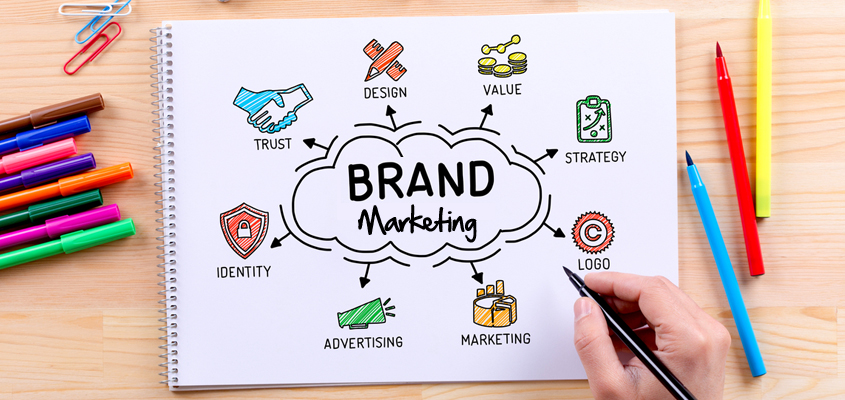
In the modern marketplace, where consumer attention is a scarce commodity and competition is global, brand consistency is the bedrock of long-term success. It is not merely about using the same logo or color palette across all touchpoints; it is about delivering a cohesive, reliable experience that fulfills the promise made to the customer. When a brand speaks with a fragmented voice or presents a disjointed identity, it creates friction. Conversely, when a brand is consistent, it builds the most valuable asset in business: trust.
Defining the Core of Brand Identity
Brand consistency begins with a deep, internal understanding of who you are as a business. Before you can communicate effectively to the outside world, you must define your brand DNA. This involves articulating your mission, your vision, and the core values that guide your decision-making processes. Many companies fail at consistency because they view branding as a superficial exercise handled solely by a design team. In reality, branding is a foundational philosophy that must permeate every level of an organization, from executive leadership to front-line customer service staff.
To maintain this, every team member must understand how their specific role contributes to the brand narrative. When a marketing campaign promises speed, but the logistics team operates with constant delays, the brand suffers. True consistency is an operational commitment, not just a marketing one.
The Psychological Impact of Repetition
Human beings are wired to seek patterns. We find comfort in familiarity and reliability. From a psychological standpoint, consistency reduces the cognitive load on the consumer. When a customer recognizes your brand instantly, whether they are looking at a billboard, a website, or a social media advertisement, they do not have to waste mental energy trying to identify who you are. They immediately associate your presence with their past experiences and expectations.
When that experience is consistently positive, the brain forms a neural shortcut. You move from being a commodity to being a preference. This is why major global brands invest so heavily in maintaining rigorous visual and tonal standards. They understand that every time a consumer encounters their brand, it is either reinforcing their position in the market or diluting it. There is no middle ground.
Visual and Tonal Architecture
A structured brand guide serves as the constitution for your marketing efforts. This document should be accessible, clear, and comprehensive. It is not designed to stifle creativity, but rather to provide a framework within which creativity can flourish without compromising the brand identity.
The Visual Framework
Visual consistency goes beyond your primary logo. It includes your secondary palettes, typography, iconography, and the style of imagery you choose. If your brand is meant to be professional and authoritative, using whimsical, hand-drawn illustrations may confuse your audience. If your brand is intended to be accessible and friendly, high-contrast, corporate imagery will feel alienating. Every visual asset must be vetted against the core question: Does this look and feel like us?
The Verbal Framework
Tone of voice is often the most neglected aspect of brand consistency. Your brand voice is the personality you project through words. It should remain consistent whether you are writing a technical white paper, a social media comment, or an email subject line.
-
Establish clear rules for your language style.
-
Define what your brand sounds like when it is helpful, when it is authoritative, and when it is celebratory.
-
Document banned words or phrases that conflict with your brand positioning.
Overcoming Silos for a Unified Customer Journey
Large organizations often struggle with brand consistency due to departmental silos. The product team, the social media team, the sales department, and the customer support team often work in isolation, each developing their own sub-culture and communication style. This lack of communication creates a fractured experience for the customer.
To fix this, organizations must implement a centralized brand management strategy. This involves:
-
Regular cross-departmental training to ensure everyone understands the brand promise.
-
Centralized digital asset management systems where only approved, high-quality files are available for use.
-
A culture of brand stewardship where every employee feels empowered to uphold the brand standards.
When a brand operates as a single organism, the customer experience becomes seamless. The transition from seeing an advertisement to engaging with customer support should feel like a continuous conversation, not a jarring shift in personality.
The Cost of Inconsistency
Inconsistency is a silent killer of growth. It dilutes brand equity, making it harder to convert leads because the consumer is uncertain about what to expect. If your website conveys a high-end, premium experience, but your social media presence is sloppy and riddled with errors, you will lose the trust of the high-end consumer.
Moreover, inconsistency increases your marketing costs. When you constantly reinvent your visual style or tone, you are effectively starting from zero in every campaign. You have to re-teach your audience who you are, rather than building upon the foundation of recognition you have already established. Consistency is not just about aesthetics; it is about operational efficiency and long-term financial health.
Maintaining Standards in an Automated World
In 2026, the rise of automated content generation presents a unique challenge for brand consistency. While AI tools can produce massive amounts of content in seconds, they often lack the nuance of a brand voice. This can lead to a flood of generic, “average” content that dilutes your unique identity.
To maintain consistency in this era, the human element must remain the final filter. Automate the logistics of distribution and data gathering, but keep the core of content creation rooted in your brand’s specific personality. Use AI to streamline the process, but rely on human editors to ensure that every piece of content aligns with the established tone and standards.
Frequently Asked Questions
How do I balance brand consistency with the need to stay innovative and fresh?
Consistency does not mean stagnation. You can evolve your aesthetic or update your messaging to reflect current market realities while staying true to your core identity. Think of it as a style update rather than a fundamental character shift.
How can I effectively communicate brand guidelines to remote or global teams?
Create a digital brand portal that is easily accessible and always up to date. Avoid static PDFs that get buried in emails; instead, use interactive websites or platforms that show examples of “do’s and don’ts” to clarify expectations.
Does brand consistency matter for small businesses just as much as large corporations?
It is arguably more important for small businesses. Larger corporations have the budget to recover from branding mistakes, but a small business relies on every interaction to build the reputation needed for survival and growth.
What is the best way to audit my current brand consistency?
Gather every piece of communication you have sent in the last three months—emails, posts, flyers, and website pages. Lay them out side by side. If they look like they were created by five different companies, your consistency is low. Note the discrepancies and prioritize fixing the most visible touchpoints first.
Can brand consistency hinder growth in new international markets?
While you must adapt to local cultural nuances, your core identity and values should remain constant. You can localize your marketing tactics without changing the soul of your brand, which helps maintain global recognition.
What metrics should I track to see if my brand consistency efforts are working?
Look at brand search volume, direct traffic to your website, and customer sentiment scores. When your messaging is consistent, people are more likely to seek you out by name and express higher levels of trust in your products or services.
How often should I refresh my brand identity guidelines?
A major overhaul should only occur every few years when the business undergoes a significant strategic shift. However, minor tweaks to your guidelines should be made annually to ensure they remain relevant to the current technological and cultural landscape.
