

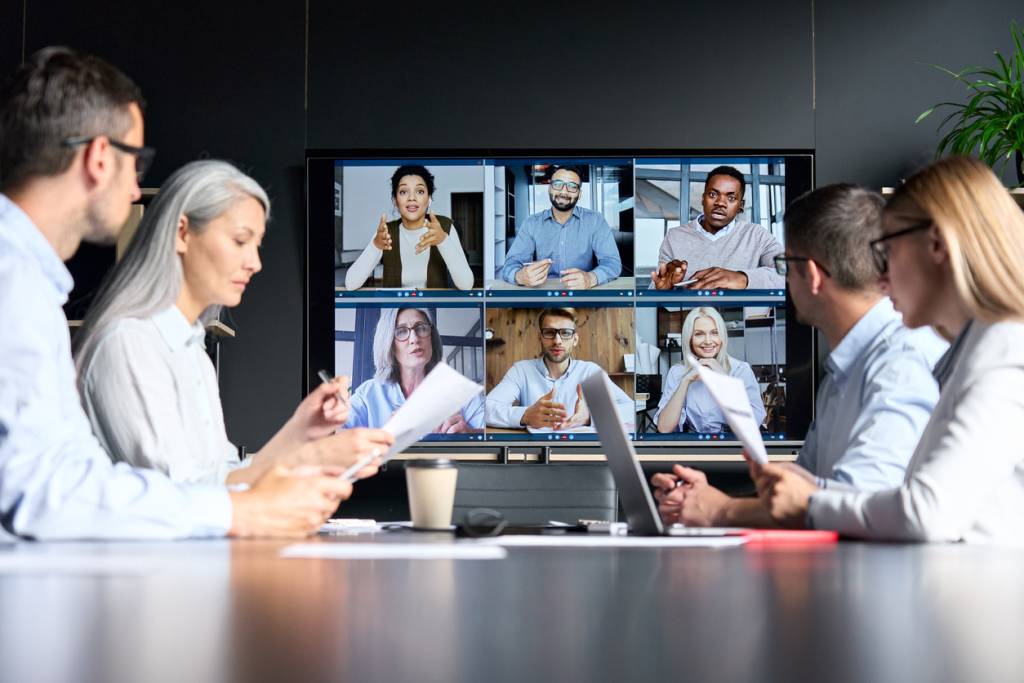
The landscape of professional development and industry collaboration has shifted dramatically. In 2026, the virtual conference is no longer a temporary substitute for face-to-face gatherings but has matured into a sophisticated, primary medium for global knowledge exchange. Success in this environment requires more than simply hosting a Zoom call; it demands a strategic approach to digital architecture, content delivery, and community management. If you aim to host or participate in a virtual conference that leaves a lasting impact, you must move beyond basic connectivity and focus on intentional human-centric design.
The Foundation of a Successful Virtual Experience
The primary pitfall for many digital events is the attempt to replicate the physical conference experience exactly. This approach almost always fails because digital fatigue is a real psychological phenomenon. Instead, organizers must design for the digital medium by embracing brevity and high-value interaction.
Strategic Content Curation
Virtual attendees operate in an environment filled with constant distractions. To maintain their attention, content must be tightly curated. Long-form, uninterrupted monologues should be avoided at all costs. Instead, utilize short-burst presentations of 15 to 20 minutes, followed by dedicated time for Q&A or breakout discussions. When content is condensed and focused, the cognitive load on the attendee remains manageable, significantly increasing the likelihood that they will remain engaged throughout the duration of the event.
Interactive Platform Architecture
The choice of platform determines the potential for success. A successful virtual conference utilizes a platform that offers more than just a video stream. Look for solutions that provide:
-
Dynamic navigation that mimics a physical conference floor.
-
Integrated gamification elements that reward engagement.
-
Seamless switching between plenary sessions and small-group interactive rooms.
-
Robust analytics tools that track participant interaction in real-time.
Crafting Meaningful Engagement
Engagement in a virtual setting does not happen organically; it must be engineered. Without the spontaneous hallway conversations that define in-person events, you must provide structured opportunities for participants to interact with both the speakers and their peers.
Facilitating Virtual Networking
Networking is consistently cited as the highest-value component of any conference. In a virtual space, this requires proactive facilitation. Utilize AI-driven matchmaking algorithms that pair attendees based on shared interests or industry goals. Encourage the use of dedicated networking lounges where the video and audio settings are optimized for fluid, informal conversation rather than formal presentations.
The Power of Asynchronous Participation
Not all engagement needs to happen in real-time. By providing access to session recordings, supplemental materials, and ongoing discussion threads after the live event concludes, you extend the lifespan and value of the conference. Creating an online repository where attendees can revisit content and continue discussions creates a sense of community that persists well after the event has closed.
Technical Excellence as a Non-Negotiable
If your audio is poor, your video lags, or your registration system is confusing, you have lost your audience before the event even begins. Technical friction is the enemy of engagement.
Redundancy and Reliability
Every speaker and host should have a secondary internet connection and a high-quality, dedicated microphone. Relying solely on a built-in laptop microphone is a mistake that signals a lack of professional preparation. Furthermore, organizers must run comprehensive rehearsals that simulate real-world conditions, including network fluctuations and potential software glitches.
Production Quality
Professional lighting, a clean background, and high-definition video are essential. These elements do more than just improve aesthetics; they build trust and authority. When an event looks and sounds professional, participants are more likely to treat the content with the seriousness it deserves.
Mastering the Art of Virtual Moderation
A moderator in a virtual conference serves as the bridge between the speaker and the audience. They are the facilitator of energy and the gatekeeper of time. A skilled moderator does not simply introduce the speaker; they synthesize audience questions, manage the flow of the discussion, and ensure that the session maintains its momentum.
-
Active Monitoring: The moderator should be constantly monitoring the chat, identifying recurring themes, and feeding them to the speaker to make the session feel responsive and alive.
-
Encouraging Participation: Use polls, word clouds, and live reaction tools to keep the audience physically involved with the interface throughout the session.
-
Time Management: In a virtual setting, time feels different. A moderator must be more aggressive with time management to ensure that sessions do not drag on, which is the fastest way to lose the audience to other digital distractions.
Promoting Inclusivity and Accessibility
Virtual conferences have the unique power to democratize access to information, breaking down the barriers of geography and travel costs. However, this only holds true if the event is designed for accessibility from the start.
Ensure that all presentations include closed captioning, provide slides in accessible formats, and allow for different modes of participation. By making your event accessible to people with various needs, you not only do the right thing, but you also broaden your reach and increase the diversity of perspectives within your conference community.
Strategic Follow-up and Retention
The final phase of a virtual conference is the most overlooked. The days following the event are when the most meaningful professional connections can be solidified. Send personalized follow-up emails, share summaries of key takeaways, and provide a roadmap for how attendees can keep the conversation going. By treating the conference as a beginning rather than an end, you foster long-term loyalty and set the stage for future events.
Conclusion
Virtual conference success is achieved by prioritizing the human experience over technical convenience. By focusing on concise content delivery, structured networking, and high-end production, you can create a digital environment that rivals the depth and influence of any physical gathering. The future of professional collaboration is increasingly digital, and those who master the nuances of remote engagement will be the ones who lead their industries forward.
FAQ
How can I effectively handle technical issues that arise during a live virtual session?
The most effective strategy is to have a dedicated technical support team on standby for every session. Additionally, have pre-recorded backup versions of critical presentations available to play instantly if the live stream fails, ensuring that the audience is never left waiting in silence.
What is the ideal duration for a virtual conference to avoid attendee burnout?
Rather than forcing a full-day schedule, which can be exhausting, consider breaking the event into shorter blocks spread over two or three days. Limiting intensive sessions to no more than four hours per day generally results in much higher engagement and retention rates.
Should virtual conferences be free to attend?
While free events can generate high registration numbers, charging a fee often ensures higher levels of commitment and more engaged participants. A hybrid model, where basic sessions are free and premium workshops are paid, can balance accessibility with value perception.
How do you handle time zone differences for a global audience?
For a truly global audience, host key plenary sessions twice, or record them and offer them in a localized format. Alternatively, design the schedule so that the primary live components rotate time zones, ensuring that no single group of participants is consistently marginalized.
How can I make virtual breakout rooms feel less awkward?
Structure is essential. Assign specific tasks, discussion prompts, or problem-solving exercises to each room. When participants have a concrete objective and a clear start and end time, the initial awkwardness of meeting strangers in a digital space vanishes.
What is the best way to encourage audience questions in a digital environment?
Avoid asking for questions at the very end when time is tight. Instead, use a Q&A tool that allows attendees to submit and upvote questions throughout the presentation. This allows the moderator to select the most relevant topics throughout the talk, making the Q&A feel integrated rather than tacked on.
